ADHD and Dopamine: Living With a Broken Reward System
· 3 min read
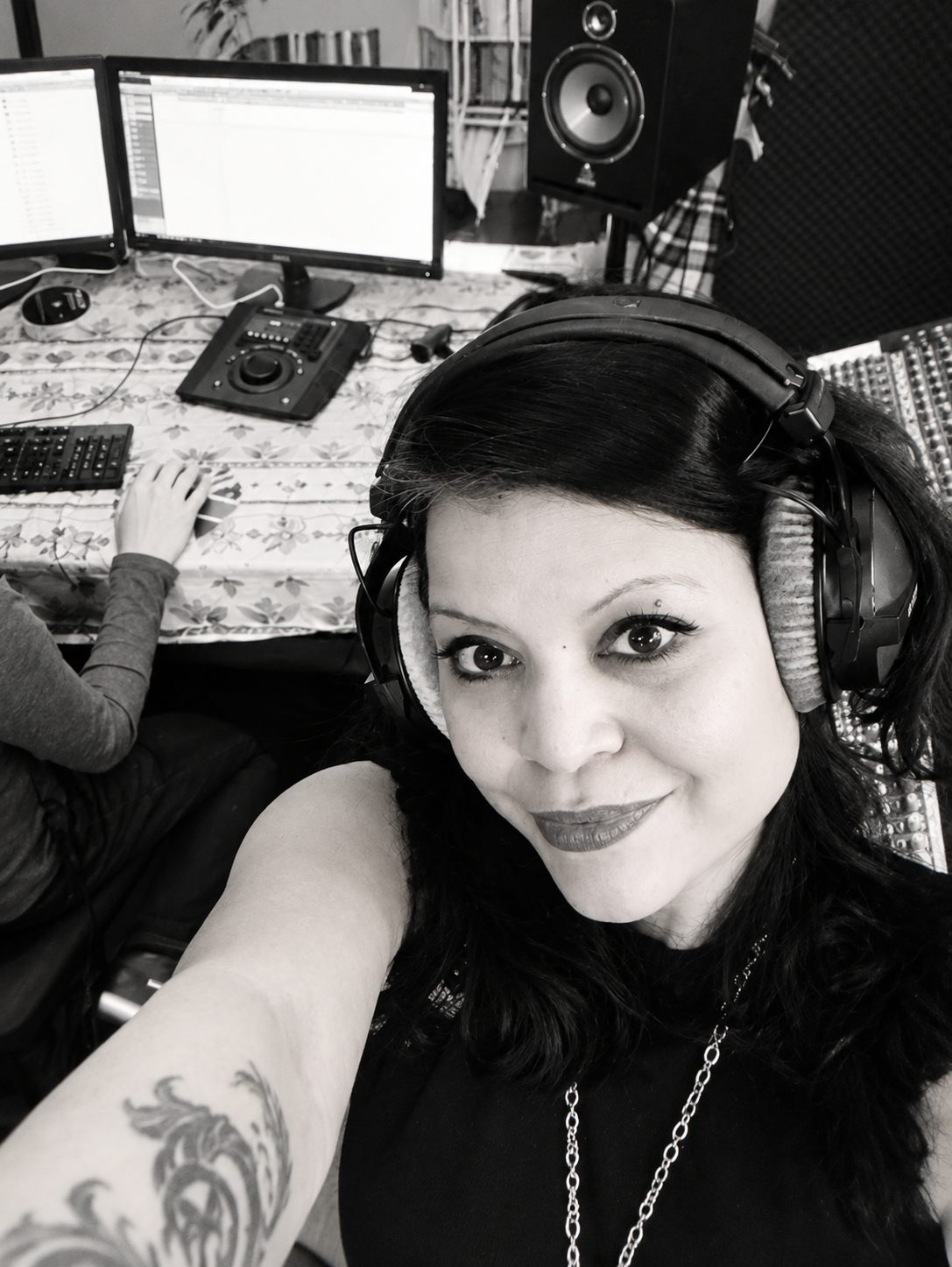
Why the struggle with motivation is real, and how to stop blaming yourself. For years, I thought I was lazy. I thought I was flaky, careless, and incapable of holding my life together. I watched other people pay their bills on time, keep their houses in order, finish projects, and move through the world with a kind of steadiness I could never seem to hold onto.
No one told me that my brain was running on a different system. No one told me about dopamine.
What Is Dopamine and Why Does It Matter for ADHD?
Dopamine isn’t really about pleasure, it’s about drive and motivation. It’s the chemical that makes you feel like getting started is worth it, like staying with something is possible, like finishing gives you satisfaction. In ADHD, dopamine signaling doesn’t work the same way. Research shows that dopamine transmission in the brain’s reward pathways is altered in ADHD, which means that motivation and reinforcement don’t function in predictable ways.
So when people say, “Just do it,” they don’t understand that my brain doesn’t send that signal the way theirs does. I can know something matters. I can want it badly. And still, nothing happens. Not because I don’t care. Not because I’m lazy. Because the chemical push never arrives.
ADHD and Motivation: How It Really Feels
The dopamine disconnect shows up in daily life in ways that outsiders rarely see: Sitting at a desk for hours, knowing you need to start, and feeling a physical wall between you and the task. Promising yourself you’ll change, only to watch the same cycle repeat. Hating yourself for not being able to control something that looks so simple from the outside.
Sometimes, the dopamine finally fires and suddenly I’m in hyperfocus, working for eight hours straight without stopping to eat. Then the crash comes, and I can barely move. To the outside world, it looks inconsistent. To me, it feels like being a puppet with tangled strings, sometimes pulled forward, sometimes collapsed on the floor.
ADHD Coping Strategies That Work With Dopamine, Not Against It
Learning about dopamine didn’t fix everything, but it gave me a new lens. I stopped seeing myself as broken and started seeing my brain as running on different wiring. Instead of forcing myself into systems that weren’t built for me, I started building my own ADHD coping strategies:
- Making progress visible so my brain sees rewards
- Breaking tasks down so I get small wins instead of waiting for a big one
- Using interest and passion as fuel instead of pretending I can push through boredom
- Allowing movement, music, and sensory input to keep me engaged
These aren’t productivity hacks. They’re survival strategies. They’re how I remind myself that my brain isn’t failing me, it’s just built differently.
ADHD, Dopamine, and Sobriety
For me, alcohol once felt like a dopamine shortcut. It was a way to create a rush, to silence the noise, to feel something predictable in a brain that rarely delivered rewards on its own. But it came with a cost. The more I chased it, the emptier I became.
Sobriety forced me to face the truth: I needed to find other ways to work with my dopamine system, or I’d always be stuck in the cycle of crash and crave. That’s why I built Neurodazzled®, not as another shop or project, but as a lifeline. A place to create tools, share stories, and remind myself and others that we don’t have to do this alone.
Final Thoughts
If you live with ADHD and feel like motivation skips you, like you can’t make yourself move no matter how much you care, you’re not weak. You’re not lazy. You’re living with a brain that speaks a different language. And once you understand that language, you can stop fighting yourself and start building a life that works with your wiring.
You are not broken. You are not behind. You are living with a brain that needs different rules and that’s nothing to be ashamed of. I spent over 7 days not writing a single post or creating a single social media thingy. I felt guilty. I felt I was creating my own failure. But here I am writing about it, hoping that these words may also reach some people who need to hear them the most.
Here is also a link to my neurodazzled website in case you would like to take a look as to what I am creating together with my life partner